"Bihar's Education Sector Set to Receive Major Overhaul in 2025 Budget"
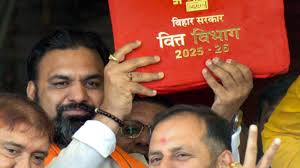
Bihar's Education Sector Set to Receive Major Overhaul in 2025 Budget
In the 2025-26 fiscal year, Bihar's education sector is poised for a significant transformation, with the state government allocating ₹60,954 crore to education, marking a substantial increase from previous years . This strategic investment aims to address longstanding challenges and enhance the quality of education across the state.Current Affairs+1PRS Legislative Research+1
Key Initiatives in the 2025-26 Budget
-
Infrastructure Development: The budget emphasizes the expansion of educational infrastructure, including the construction of new schools and the upgrading of existing facilities. This initiative aims to accommodate the growing student population and improve the learning environment.
-
Teacher Recruitment and Training: Recognizing the importance of quality educators, the budget allocates funds for the recruitment of qualified teachers and their continuous professional development. This measure seeks to address the issue of teacher shortages and enhance teaching standards.
-
Digital Education and Skill Development: To bridge the digital divide, the budget proposes the integration of technology in classrooms and the establishment of skill development centers. These initiatives aim to equip students with the necessary skills for the digital age and improve employability.
-
Scholarships and Financial Assistance: The government plans to increase the number of scholarships and financial aid programs to support students from economically disadvantaged backgrounds. This move is intended to make education more accessible and reduce dropout rates.
Anticipated Impact
The proposed reforms are expected to lead to improved educational outcomes, including higher enrollment rates, better retention, and enhanced student performance. By addressing infrastructure gaps, investing in teacher quality, and promoting digital literacy, Bihar aims to create a more equitable and effective education system.
Challenges Ahead
While the budget outlines ambitious plans, successful implementation will require overcoming challenges such as ensuring equitable distribution of resources, monitoring progress, and adapting to the evolving educational needs of the population. Continuous evaluation and community involvement will be crucial to the success of these initiatives.
Conclusion
Bihar's 2025-26 education budget represents a comprehensive approach to reforming the state's education sector. Through targeted investments and strategic initiatives, the government aims to build a robust educational framework that meets the needs of all students and prepares them for future challenges.